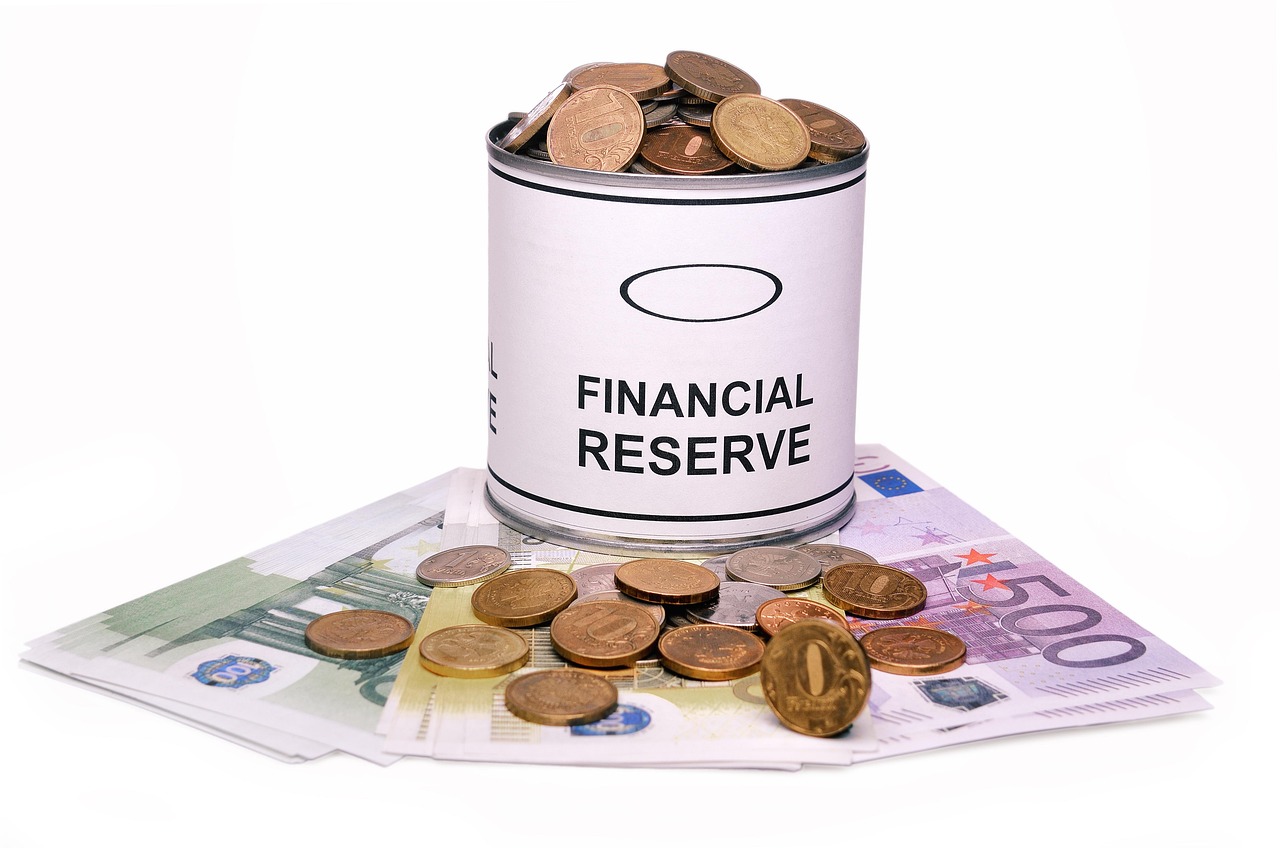
Everyone assumes that a modest savings account will magically become a safety net when life throws a curveball. The reality is far harsher: most people lack a disciplined plan, treat emergencies as occasional thoughts, and end up scrambling when the unexpected hits. Choosing the right approach to an emergency fund matters because it determines whether a sudden medical bill, job loss, or car repair becomes a catastrophe or a manageable setback. The wrong method can leave cash stranded in low‑interest accounts, inflate debt, or erode purchasing power through inflation. The right method turns uncertainty into confidence, preserving financial stability while still allowing growth.
📝 What's In This Article
What Is an Emergency Fund?
An emergency fund is a deliberately allocated pool of liquid assets set aside exclusively for unforeseen expenses that cannot be covered by regular income. It is not a retirement vehicle, a speculative investment, or a vacation budget. Its purpose is to bridge the gap between income and expense when the predictable cash flow is disrupted. The fund must be accessible within days, retain its value, and remain untouched for non‑emergency purposes.
Before comparing savings vehicles, three fundamentals must be understood: liquidity, safety, and adequacy. Liquidity ensures the money can be withdrawn quickly without penalties; safety protects the principal from market volatility; adequacy defines the target size—commonly three to six months of essential expenses, though higher‑income households or those with variable income may aim for 12 months. Before comparing savings
| Metric | Why It Matters |
|---|---|
| Liquidity | Funds must be reachable within 24‑48 hours without fees. |
| Safety | Principal should not be exposed to market risk. |
| Yield | Higher yield reduces the erosion from inflation. |
| Cost | Fees and minimum balances can eat into the fund. |
Top Emergency Fund Innovations to Know
High‑Yield Online Savings Accounts
These accounts, offered by fintech‑focused banks, provide interest rates far above traditional brick‑and‑mortar institutions while maintaining FDIC insurance and instant online access.
- What You Gain:
- Interest rates often 3‑5 times higher than legacy banks.
- Full FDIC coverage up to $250,000.
- Mobile apps enable instant transfers.
- Drawbacks:
- Customer service may be limited to chat/email.
- Some require a minimum balance to earn the top rate.
Best for: Individuals seeking maximum yield without sacrificing liquidity.
Money‑Market Funds (MMFs)
Money‑market mutual funds invest in short‑term government and corporate debt, offering slightly higher yields than savings accounts and check‑writing capabilities.
- What You Gain:
- Potentially higher yields than online savings.
- Check‑writing and debit‑card options.
- Quick access to cash.
- Drawbacks:
- Not FDIC insured—risk of loss, albeit minimal.
- Expense ratios can erode returns.
Best for: Those who want check‑writing ability and are comfortable with a marginal risk. want checkwriting ability
Short‑Term Treasury Securities (T‑Bills)
U.S. Treasury bills, purchased directly or via a broker, are zero‑coupon securities maturing in 4‑52 weeks, offering virtually risk‑free returns.
- What You Gain:
- Backed by the full faith and credit of the U.S. government.
- Predictable returns; no market volatility.
- Can be held in a brokerage with no account fees.
- Drawbacks:
- Liquidity is limited to the maturity date unless sold on secondary market (potential price risk).
- Typically lower yields than high‑yield savings.
Best for: Ultra‑conservative savers who prioritize safety above all.
Cash Management Accounts (CMAs)
Offered by brokerage firms, CMAs combine features of checking, savings, and investment accounts, often providing tiered interest rates based on balance.
- What You Gain:
- Higher interest rates for larger balances.
- Integrated with investment portfolios for seamless transfers.
- FDIC or SIPC coverage depending on structure.
- Drawbacks:
- Complex fee structures can confuse users.
- May require a brokerage account, adding regulatory overhead.
Best for: Investors who already have brokerage relationships and want consolidated cash management. already have brokerage
Automated Savings Apps (Round‑Up Tools)
These fintech apps automatically round up everyday purchases to the nearest dollar and deposit the difference into a dedicated savings account, often paired with a high‑yield partner.
- What You Gain:
- Effortless, incremental contributions.
- Gamified experience encourages consistency.
- Often no minimum balance requirement.
- Drawbacks:
- Yield depends on the partner account; may be modest.
- Requires linking to debit/credit cards, raising privacy concerns.
Best for: Beginners who need a habit‑forming mechanism to start building a fund.
| Option | Best For | Difficulty | Cost | Yield / Speed |
|---|---|---|---|---|
| High‑Yield Online Savings | Max yield, easy access | Low | No fees, possible minimum | High interest, instant access |
| Money‑Market Funds | Check‑writing needs | Medium | Expense ratio | Slightly higher yield, quick access |
| Short‑Term Treasury Bills | Safety‑first | Low | No fees | Low yield, fixed term |
| Cash Management Accounts | Integrated investors | Medium | Potential account fees | Tiered yield, fast transfers |
| Automated Savings Apps | Habit builders | Very low | Usually free | Modest yield, gradual growth |
How to Choose the Right One
First, define the target amount. A realistic benchmark is three months of essential expenses for salaried workers, but freelancers and gig economy participants should aim for six to twelve months because income volatility raises the risk of gaps.
Second, assess access speed. If the primary fear is a sudden job loss, funds must be withdrawable within 24 hours. High‑yield online savings and CMAs excel here; Treasury bills, while safe, lock money until maturity unless sold, introducing timing risk. Second assess access
Third, evaluate risk tolerance. Although all options are low‑risk, money‑market funds and CMAs expose the balance to non‑FDIC coverage. For those who cannot stomach even a 0.01% chance of loss, Treasury bills or FDIC‑insured savings are non‑negotiable.
Fourth, factor in cost structure. Hidden fees—maintenance, minimum‑balance penalties, or transaction fees—can gnaw away at the fund. High‑yield savings typically have zero fees, while CMAs may charge inactivity fees that erode returns for smaller balances.
Finally, consider behavioral fit. A disciplined saver who can set up automatic transfers will thrive with a straightforward high‑yield savings account. Someone who struggles to save consistently benefits from round‑up apps that automate contributions without conscious effort.
Why This Matters to You
Having a fully funded emergency reserve eliminates the need to rely on high‑interest credit cards during crises, preserving credit scores and avoiding debt spirals. fully funded emergency
It provides mental peace, allowing focus on long‑term goals like home ownership or retirement without the constant dread of “what if.”
A robust fund reduces the temptation to liquidate retirement accounts early, avoiding penalties and preserving compounding growth.
It enables strategic career moves, such as taking a lower‑paying but higher‑satisfaction job, because the safety net cushions temporary income loss.
During macro‑economic downturns, an emergency fund acts as a buffer against market volatility, preventing panic‑driven investment decisions. During macroeconomic downturns
Finally, it fosters financial discipline, turning saving from a sporadic act into a habitual, automated process that compounds over time.
One Last Thing
The optimal emergency fund combines safety, liquidity, and a yield that at least matches inflation. Choose the vehicle that aligns with personal risk tolerance, access needs, and behavioral preferences. By applying the decision framework above, anyone can transform uncertainty into confidence and secure their financial future.