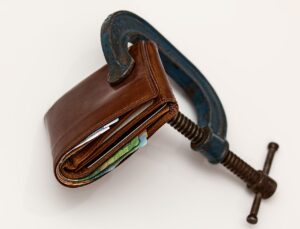
Many people believe that budgeting is a rigid, soul‑crushing exercise reserved for accountants or extreme penny‑pinchers. In reality, the wrong assumption can lead to frustration, abandoned spreadsheets, and missed financial goals. Selecting the right budgeting approach matters because it determines whether money becomes a source of control or anxiety. A suitable system aligns with personal habits, income variability, and long‑term aspirations, turning dollars into a reliable tool rather than a mystery. When the method fits, budgeting feels like a helpful map rather than a prison sentence.
📝 In This Post
Defining Budgeting
Budgeting—creating a plan that outlines expected income and allocates it to expenses, savings, and debt—requires a clear grasp of a few core ideas before any method can be compared. First, income (the money earned from jobs, investments, or side hustles) sets the ceiling for what can be spent. Second, fixed expenses (costs that stay the same each month, such as rent or insurance) must be covered before discretionary spending. Third, variable expenses (costs that fluctuate, like groceries or entertainment) are where most flexibility—and potential waste—occurs. Finally, savings & debt repayment (money set aside for emergencies, goals, or paying down loans) should be treated as non‑negotiable line items, not an afterthought.
Understanding these elements helps avoid the common trap of treating a budget as a single‑column list of limits. Instead, think of a budget as a living document that reflects reality, adapts to change, and supports purposeful decision‑making. With that foundation, the next step is to evaluate the tools and techniques available for turning raw numbers into an actionable plan.
| Metric | Why It Matters |
|---|---|
| Income Stability | Determines whether a fixed or flexible system works best. |
| Expense Variability | Affects how detailed tracking must be. |
| Financial Goals | Guide the emphasis on savings vs. debt repayment. |
| Time Commitment | Helps choose a method that matches available weekly or monthly minutes. |
Budgeting Methods Worth Knowing
1. Zero‑Based Budgeting
Zero‑Based Budgeting assigns every dollar of income a specific job, so the total income minus all allocations equals zero. The concept is akin to filling every seat on a bus—no empty spots remain. ZeroBased Budgeting assigns
- Strengths:
- Ensures every dollar is accounted for, reducing waste.
- Highly customizable to personal priorities.
- Promotes disciplined saving and debt repayment.
- Hurdles to Overcome:
- Requires regular, detailed tracking.
- Can feel restrictive for people with irregular income.
Best for: Individuals who crave total control over every cent.
2. 50/30/20 Rule
The 50/30/20 Rule splits after‑tax income into three broad buckets: 50 % for needs (fixed expenses), 30 % for wants (discretionary spending), and 20 % for savings or debt repayment. Think of it as a simple pie chart that balances necessities with lifestyle.
- Strengths:
- Easy to remember and implement.
- Provides flexibility for occasional indulgences.
- Works well for steady‑income earners.
- Hurdles to Overcome:
- May be too vague for high‑cost living areas.
- Does not address irregular cash flow.
Best for: Beginners who want a straightforward, low‑maintenance system.
3. Envelope System (Physical or Digital)
The Envelope System allocates cash (or digital equivalents) into labeled envelopes representing expense categories; once an envelope is empty, spending in that category stops. It mimics a real‑world wallet where each pocket holds a specific purpose. Envelope System allocates
- Strengths:
- Visual cue that curtails overspending.
- Encourages mindfulness about each purchase.
- Can be adapted with apps for non‑cash users.
- Hurdles to Overcome:
- Requires discipline to avoid “borrowing” between envelopes.
- Less practical for large or recurring digital bills.
Best for: Those who respond well to tangible limits and enjoy hands‑on tracking.
4. Pay‑Yourself‑First Budget
Pay‑Yourself‑First flips the traditional order by moving a predetermined amount into savings or investment accounts immediately after income arrives, then budgeting the remainder for expenses. It works like planting seeds before watering the garden—growth starts first.
- Strengths:
- Prioritizes long‑term financial health.
- Reduces the temptation to spend savings.
- Simple to automate via direct deposit.
- Hurdles to Overcome:
- Requires accurate estimation of disposable income.
- May leave too little for variable expenses if not calibrated.
Best for: Goal‑oriented savers who want automatic progress.
5. Hybrid Budget (Combination Approach)
A Hybrid Budget blends elements from multiple methods—such as using the 50/30/20 percentages for broad categories while applying envelopes for discretionary spending. It functions like a custom‑built bike, borrowing the best parts from different models. Hybrid Budget blends
- Strengths:
- Highly adaptable to unique financial situations.
- Allows gradual transition between methods.
- Balances structure with flexibility.
- Hurdles to Overcome:
- Can become complex if too many components are mixed.
- Requires clear documentation to avoid overlap.
Best for: People with mixed income streams or evolving financial goals.
| Option | Best For | Difficulty | Cost | Speed of Setup |
|---|---|---|---|---|
| Zero‑Based Budgeting | Control‑seekers | High | Low (free tools) | Medium |
| 50/30/20 Rule | Beginners | Low | Free | Fast |
| Envelope System | Hands‑on spenders | Medium | Low‑to‑moderate (envelopes or app) | Medium |
| Pay‑Yourself‑First | Goal‑oriented savers | Low | Free‑to‑low (bank transfers) | Fast |
| Hybrid Budget | Complex earners | Medium‑High | Variable | Variable |
How to Choose the Right One
Start by assessing income stability. If paychecks arrive on the same day each month, a structured system like Zero‑Based Budgeting or the 50/30/20 Rule can be reliable. For freelancers or gig workers whose earnings swing month to month, a more flexible approach—such as the Envelope System or a Hybrid Budget—offers the cushion needed to absorb peaks and valleys.
Next, examine expense variability. When most costs are fixed (rent, mortgage, utilities), a percentage‑based model works well because the unknowns are limited. Conversely, if a large portion of spending shifts—think variable grocery bills, transportation fuel, or entertainment—a method that tracks each transaction (Zero‑Based or Envelope) prevents hidden leaks.
Consider financial goals. If the primary aim is building an emergency fund, Pay‑Yourself‑First shines because it automates the habit. For debt‑heavy situations, Zero‑Based Budgeting forces allocation to debt repayment, while the Hybrid approach can blend debt‑paying envelopes with broader categories. Consider financial goals
Evaluate time commitment. Some people enjoy daily logging; others prefer a weekly glance. Zero‑Based Budgeting and the Envelope System demand consistent entry, whereas the 50/30/20 Rule or Pay‑Yourself‑First can be set up in a single session and left largely unattended.
Finally, factor in personal temperament. Visual learners thrive with envelopes; number‑crunchers feel comfortable with spreadsheets. The right method aligns with natural habits, making adherence feel effortless rather than forced.
Real-World Benefits
Adopting a well‑matched budgeting system creates a clear picture of where money goes, eliminating the guesswork that often leads to overspending. This transparency empowers individuals to make intentional choices, turning spending into a deliberate act rather than a reflex.
When expenses are tracked accurately, wasteful habits surface quickly, allowing rapid course correction before small leaks become financial storms. Over time, this reduces stress and builds confidence in handling money. tracked accurately wasteful
Consistent budgeting cultivates a habit of saving, which compounds over months and years. Even modest, automated contributions grow through interest, turning a habit into a tangible asset base.
Effective budgeting also improves creditworthiness. By ensuring bills are paid on time and debt balances are reduced, credit scores rise, unlocking cheaper loan rates and better financial opportunities.
Having a budget frees up mental bandwidth. When money decisions are pre‑planned, there is less mental chatter about “should I splurge or save?” This mental clarity can boost productivity in other life areas.
Finally, a solid budget creates resilience against unexpected events. An emergency fund built through disciplined budgeting provides a safety net, preventing reliance on high‑interest credit cards when life throws a curveball. solid budget creates
Worth Remembering
The best budgeting method matches income stability, expense variability, goals, and personal temperament. Start simple, evaluate regularly, and adjust as life changes. A budget that feels like a supportive framework, not a rigid rulebook, will stick and deliver lasting financial peace.