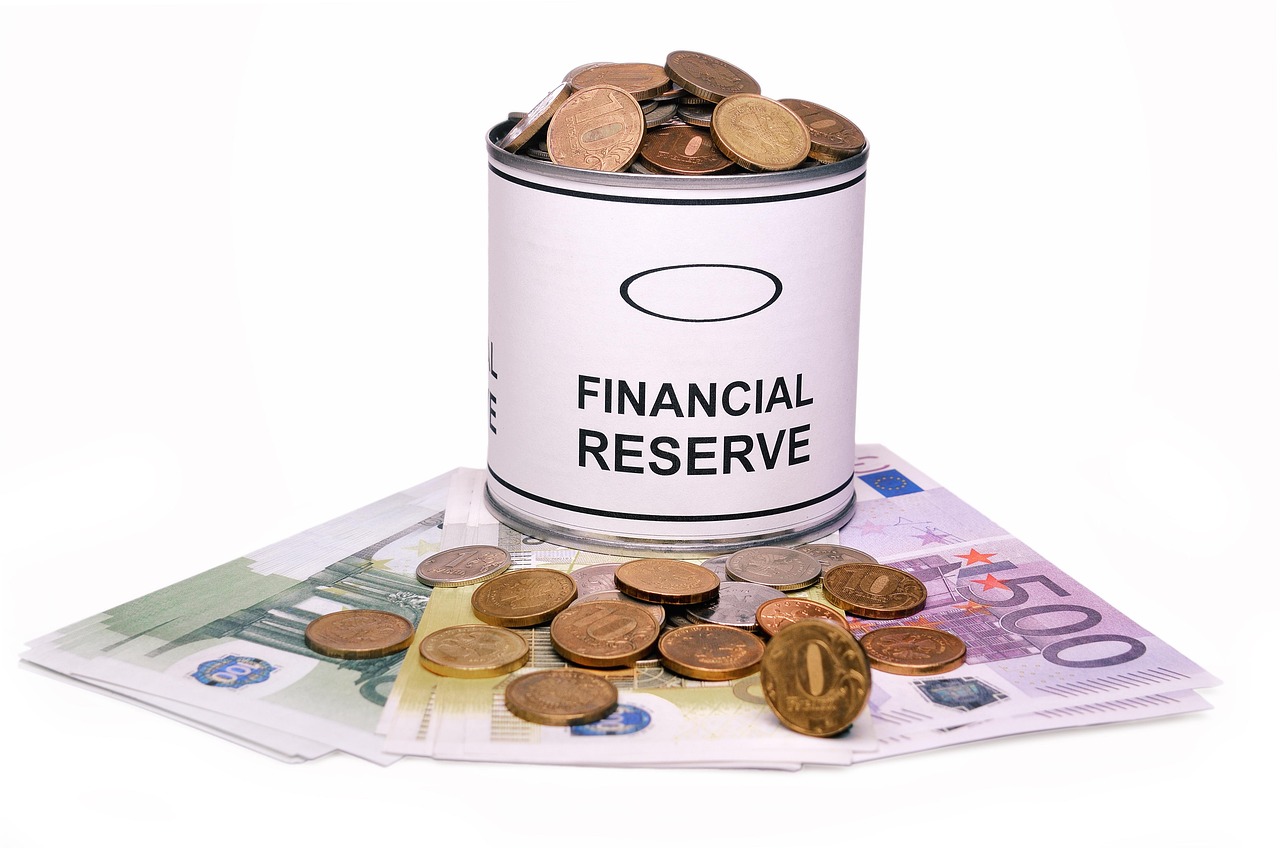
In today’s uncertain economy, the idea of a safety net has moved from a nice-to-have to a must-have. People are constantly hearing about sudden job cuts, unexpected medical bills, or surprise home repairs, and the anxiety that comes with not having cash on hand can be overwhelming. Imagine a single mother who has to miss work to care for a sick child and suddenly faces a $500 pharmacy bill she cannot cover. Or a freelance graphic designer who lands a big client, only to have the project canceled weeks later, leaving no income for that month. These scenarios illustrate the painful reality of living without a financial cushion: stress, sleepless nights, and the temptation to rely on high‑interest credit cards. The lack of an emergency fund often forces people into debt cycles that are hard to break, making financial freedom feel out of reach.
📝 What You'll Learn
Common Challenges With Defining how to build an emergency fund (real examples)
1. Not Knowing How Much to Save
Many people start by asking, “How much should I set aside?” The answer often feels vague, leading to paralysis. Without a clear target, savings efforts become inconsistent and unmeasurable. Many people start
This happens because there is no universal rule that fits every budget; the amount depends on individual expenses, income stability, and lifestyle. Without a concrete figure, the brain treats the goal as abstract, making it easy to postpone.
2. Irregular Income Streams
Freelancers, gig workers, and seasonal employees frequently complain that they cannot predict monthly cash flow, so setting aside a fixed amount seems impossible.
The root cause is the fluctuating nature of earnings, which creates uncertainty about when there will be surplus money to save. This leads to missed contributions during low‑income months and over‑saving during high‑income periods. earnings which creates
3. Competing Financial Priorities
Credit‑card debt, student loans, and rent often feel more urgent than a future emergency that might never happen.
Psychologically, immediate obligations trigger a stronger emotional response than distant possibilities, causing people to allocate every spare dollar to current bills rather than future protection.
4. Lack of a Dedicated Savings Account
Some individuals keep their emergency cash in a checking account, where it is easily spent on everyday purchases. Some individuals keep
This occurs because opening a separate account feels like extra paperwork, and the temptation to dip into the fund for non‑emergencies is higher when the money is within arm’s reach.
5. Underestimating Unexpected Costs
People often assume a small buffer will cover most crises, only to discover that a single car repair or medical co‑pay can wipe out their savings.
The miscalculation stems from a lack of awareness about the true cost of common emergencies, leading to under‑funded reserves that fail when needed most. common emergencies leading
Methods Worth Knowing
1. The 3‑Month Salary Rule
Set aside an amount equal to three months of net (take‑home) income. Start by calculating monthly expenses after taxes, then multiply by three. Automate a transfer each payday into a high‑yield savings account until the target is reached. This method provides a clear, quantifiable goal that aligns with most budgeting frameworks.
- Key Benefits:
- Creates a measurable, realistic target.
- Offers enough cushion for most job losses.
- Easy to explain and track progress.
2. Percentage‑Based Savings
Allocate a fixed percentage of each paycheck—commonly 10%—directly to the emergency fund. Use payroll deduction or an automatic bank transfer to make the process invisible. Adjust the percentage upward when income rises or expenses fall, ensuring the habit scales with financial changes.
- Key Benefits:
- Works for irregular incomes by tying savings to each pay event.
- Promotes consistency without needing a set dollar amount.
- Flexibility to increase contributions over time.
3. Envelope System for Savings
Physically label envelopes (or create digital “envelopes” in budgeting apps) with the word “Emergency” and deposit cash or transferred funds each week. Once the envelope is full, move the money to a savings account. This tactile method reinforces the habit through visual progress. Physically label envelopes
- Key Benefits:
- Provides a tangible reminder of saving goals.
- Reduces the temptation to spend the money.
- Works well for those who prefer cash handling.
4. Windfall Allocation
Whenever a bonus, tax refund, or unexpected cash inflow arrives, immediately allocate a predetermined portion—often 50%—to the emergency fund. Set up a rule in advance so the decision isn’t delayed by excitement or impulse spending.
- Key Benefits:
- Accelerates fund growth without affecting regular budget.
- Turns one‑time income into lasting security.
- Reduces reliance on monthly contributions alone.
5. Round‑Up Savings Apps
Link a banking app that rounds every purchase up to the nearest dollar and deposits the difference into a savings account. Over time, these micro‑contributions add up without feeling like a burden.
- Key Benefits:
- Automates savings in tiny, painless increments.
- Great for those who struggle with manual transfers.
- Provides a steady, growing reserve.
6. Side‑Hustle Earnings Dedicated to Savings
Take any extra money earned from freelance gigs, part‑time work, or selling unused items and earmark it exclusively for the emergency fund. Create a separate “side‑income” account to keep these funds distinct from primary income. extra money earned
- Key Benefits:
- Boosts fund size without cutting core expenses.
- Turns extra effort into financial safety.
- Motivates continued side‑hustle activity.
Comparison of Approaches
| Approach | Old Way | Better Way | Result |
|---|---|---|---|
| Goal Setting | Vague “save more” mantra. | Specific 3‑month salary target. | Clear progress, measurable outcome. |
| Automation | Manual transfers, often forgotten. | Automatic payroll deductions or app round‑ups. | Consistent contributions without effort. |
| Account Separation | Funds mixed with checking. | Dedicated high‑yield savings account. | Reduced temptation to spend. |
| Handling Irregular Income | Fixed dollar amount each month. | Percentage‑based savings per paycheck. | Fits fluctuating cash flow. |
| Use of Windfalls | Spend bonuses immediately. | Allocate 50% of windfalls to fund. | Rapid fund growth without budget strain. |
Why People Are Paying Attention
Maria, a single mother of two, used the 3‑month salary rule and reached her $6,000 target within eight months, allowing her to cover a sudden car repair without tapping credit cards, which saved her $300 in interest.
Jamal, a freelance web developer, applied the percentage‑based method, saving 12% of each irregular invoice. When his client delayed payment for a month, his emergency fund covered rent and utilities, preventing a late‑fee cascade.
Linda, a recent college graduate, adopted the envelope system and watched the physical envelope fill up. The visual cue motivated her to keep the habit, and she now has $2,500 ready for unexpected health expenses.
Thomas received a tax refund of $1,800 and followed the windfall allocation rule, instantly moving $900 into his emergency account. This boost shortened his fund buildup timeline by six months.
Emily used a round‑up app that added $0.75 per purchase. Over a year, the app contributed $275, which she later used to replace a broken laptop, avoiding an expensive credit‑card purchase.
Step-by-Step Action Plan
- Calculate monthly net expenses—this reveals the exact amount needed for basic living.
- Set a target of three months’ worth of those expenses to define the fund size.
- Open a dedicated high‑yield savings account to keep the money separate and earn interest.
- Choose an automation method—percentage‑based payroll deduction works for most.
- Schedule an automatic transfer on each payday to the new account.
- Whenever a windfall arrives, immediately allocate at least half to the emergency fund.
- Track progress monthly and adjust contributions if income or expenses change.
Wrapping Up
Building an emergency fund is not a one‑time event but a series of small, repeatable actions that add up to financial resilience. By understanding common pitfalls and applying proven methods, anyone can create a cushion that protects against life’s unexpected twists. With a clear target, automated contributions, and disciplined handling of windfalls, the path to security becomes straightforward and achievable. As more people adopt these practices, the collective sense of financial stability will continue to grow, turning anxiety into confidence for the future.