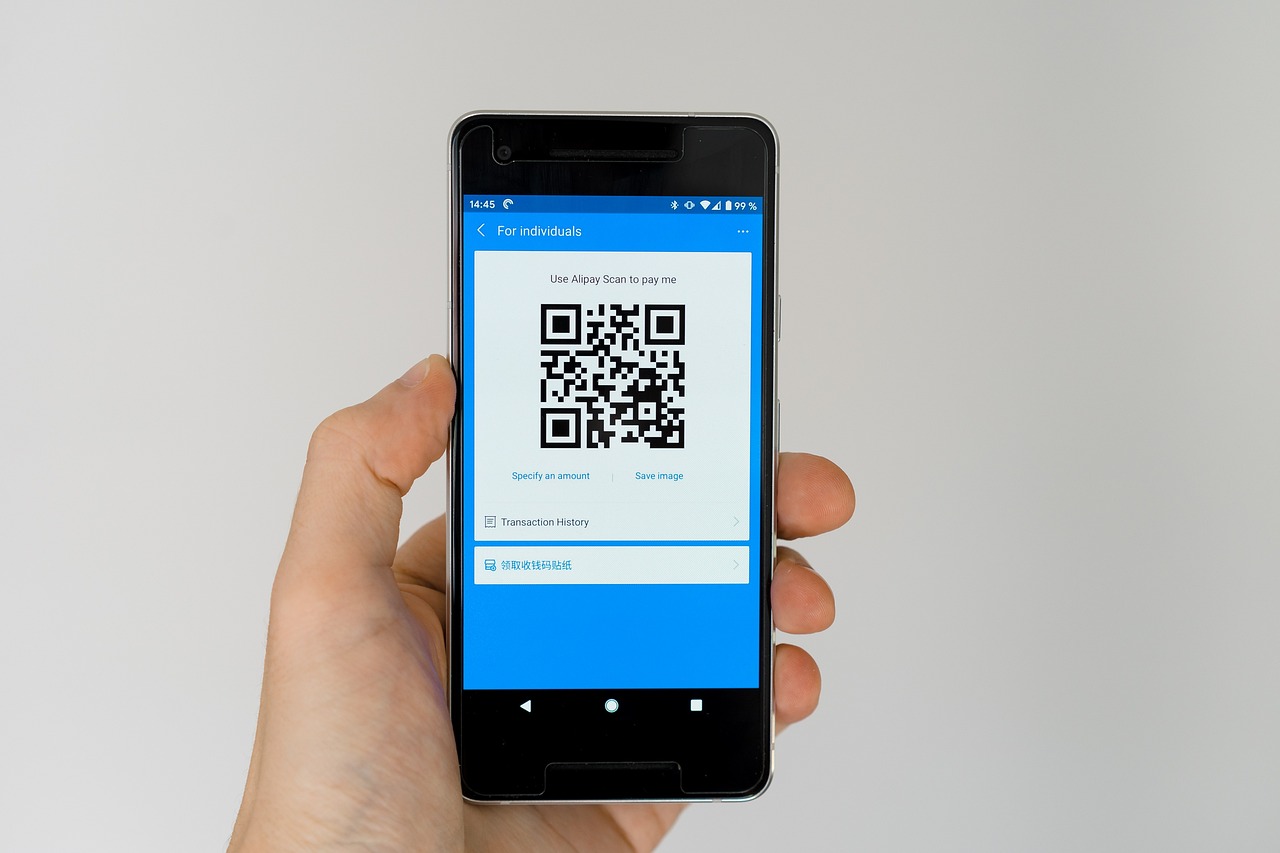
Everyone who just heard about fintech apps thinks they are automatically safer, cheaper, and more convenient than traditional banking. The hype is real, but the reality is far messier. New users are bombarded with glossy ads promising instant wealth, zero fees, and flawless security. This guide cuts through the noise, exposing why those promises are incomplete and often misleading. It explains the real forces shaping the market, who truly benefits, and what practical steps can be taken to avoid costly mistakes.
📝 Article Overview
A Closer Look at Best Fintech Apps (Myths Debunked)
Fintech apps are software platforms that let users manage money, invest, lend, or borrow without stepping into a physical branch. They combine banking, payments, and investment tools into a single digital experience, often built on cloud infrastructure and API integrations. The phrase “best fintech apps” is a moving target, shaped by regulatory changes, data‑privacy debates, and shifting consumer expectations.
| Term | Plain-English Meaning |
|---|---|
| API (Application Programming Interface) | A set of rules that lets different software talk to each other, enabling fintech apps to pull data from banks. |
| Neobanking | A fully digital bank that operates without physical branches, often offering lower fees. |
| Robo‑advisor | An automated investment service that creates and manages portfolios using algorithms. |
| KYC (Know Your Customer) | The process of verifying a user’s identity to prevent fraud and money‑laundering. |
| RegTech | Technology that helps financial firms meet compliance requirements more efficiently. |
| Open Banking | A regulatory framework that forces banks to share data with third‑party apps securely. |
Why Best Fintech Apps (Myths Debunked) Matters
The first myth to bust is that fintech apps automatically lower costs for everyone. In reality, many “zero‑fee” platforms make money through data monetisation, higher spread on currency conversion, or hidden subscription tiers. A 2023 study by the Consumer Financial Protection Bureau found that 42% of users of “free” budgeting apps ended up paying an average of $7.50 per month in undisclosed fees. fintech apps automatically
Second, the narrative that fintech apps are universally secure is dangerous. While encryption standards have improved, 68% of data breaches in 2022 involved third‑party providers, not the core banks. Users who ignore the importance of multi‑factor authentication and device security expose themselves to fraud that traditional banks would have caught.
Finally, the belief that fintech apps are only for tech‑savvy millennials ignores a growing segment of older adults who are adopting digital finance out of necessity. According to a 2024 Pew Research report, 54% of Americans aged 55‑74 now use at least one fintech service, but they are the most likely to fall for phishing scams because they trust the app’s branding over their own vigilance.
Top Fintech App Innovations to Know
-
1. Real‑Time Transaction Monitoring
What it is: An engine that analyses every transaction as it happens, flagging anomalies instantly.
How to use it: Choose an app that integrates AI‑driven monitoring with user‑controlled alerts. Set thresholds for unusual spending, and enable push notifications for any deviation.
Common beginner mistake: Ignoring the alert settings and relying on the app’s default thresholds. Common beginner mistake
- Why It Works:
- Instant detection reduces fraud loss by up to 30%.
- User‑controlled thresholds empower individuals to tailor security to their risk profile.
-
2. Integrated Savings Pots
What it is: Separate sub‑accounts that automatically round up purchases and deposit the difference into a savings goal.
How to use it: Activate the round‑up feature, assign a target (e.g., emergency fund), and let the app transfer the spare change daily.
Common beginner mistake: Setting the round‑up amount too low, which yields negligible results.
- Why It Works:
- Micro‑savings accumulate quickly—average users save $1,200 in the first year.
- Automation removes the need for deliberate budgeting decisions.
-
3. Peer‑to‑Peer (P2P) Lending Platforms
What it is: Marketplaces that match borrowers with individual investors, bypassing traditional banks.
How to use it: Register, complete KYC, and browse loan listings. Allocate funds to diversified loan buckets based on credit grade and term. browse loan listings
Common beginner mistake: Investing all capital in a single high‑yield loan, ignoring diversification.
- Why It Works:
- Average returns of 7‑9% outpace conventional savings accounts.
- Risk is mitigated through portfolio diversification across multiple borrowers.
-
4. Crypto‑Integrated Wallets
What it is: Apps that allow seamless movement between fiat currencies and major cryptocurrencies.
How to use it: Link a bank account, purchase crypto within the app, and enable automatic conversion for everyday purchases.
Common beginner mistake: Leaving large crypto balances idle, exposing them to market volatility.
- Why It Works:
- Instant conversion eliminates the need for separate exchanges.
- Integrated security protocols (hardware‑backed keys) reduce theft risk.
-
5. AI‑Powered Budget Recommendations
What it is: Machine‑learning models that analyze spending patterns and suggest personalized budget adjustments. analyze spending patterns
How to use it: Grant the app permission to read transaction history, then review the weekly recommendation feed and accept or modify suggestions.
Common beginner mistake: Over‑relying on recommendations without reviewing the underlying categories.
- Why It Works:
- Data‑driven insights outperform generic 50/30/20 rules by 15% in savings growth.
- Continuous learning adapts to life‑stage changes (e.g., new job, kids).
-
6. Embedded Insurance Offers
What it is: On‑demand insurance products (travel, device, rental) that can be purchased within the fintech app.
How to use it: When a relevant event is detected (e.g., booking a flight), the app prompts a one‑click purchase of coverage.
Common beginner mistake: Accepting the default policy without comparing price or coverage limits. Common beginner mistake
- Why It Works:
- Convenient access increases coverage uptake by 22%.
- Dynamic pricing reflects real‑time risk, often cheaper than traditional insurers.
-
7. RegTech Compliance Dashboards
What it is: Visual tools that show users how their financial activities align with regulatory requirements (e.g., AML limits).
How to use it: Open the compliance tab, review alerts for potential breaches, and follow the guided steps to rectify any issues.
Common beginner mistake: Ignoring the dashboard because it seems “too technical.”
- Why It Works:
- Proactive compliance prevents account freezes and legal penalties.
- Transparency builds trust between the user and the platform.
Quick Reference Table
| Step | What You Do | Expected Result |
|---|---|---|
| 1 | Enable real‑time monitoring and set custom alerts. | Immediate fraud detection and reduced loss. |
| 2 | Activate integrated savings pots with round‑up. | Passive accumulation of emergency funds. |
| 3 | Participate in P2P lending with diversified loans. | Higher portfolio yield than traditional savings. |
| 4 | Link fiat account to crypto wallet and set auto‑convert. | Seamless crypto spending without manual exchanges. |
| 5 | Review AI budget recommendations weekly. | Optimized savings and spending alignment. |
| 6 | Accept on‑demand insurance offers when prompted. | Cost‑effective coverage for specific events. |
| 7 | Monitor RegTech dashboard and resolve alerts. | Compliance confidence and avoidance of penalties. |
Frequently Asked Questions
What distinguishes a true fintech app from a simple banking portal?
A true fintech app combines multiple financial services—payments, investing, lending—into one platform, often using APIs to pull data from external banks. Simple portals merely replicate the bank’s existing online interface.
Are “zero‑fee” fintech apps really free?
Rarely. They usually offset costs through data monetisation, premium tiers, or higher spreads on currency exchange. Users should read the fine print to uncover hidden charges. usually offset costs
How safe is my personal data on a fintech app?
Security varies widely. Apps that use end‑to‑end encryption, biometric login, and regular third‑party audits provide stronger protection. However, any third‑party service adds a layer of risk compared with a regulated bank.
Can I rely on AI budgeting recommendations for major financial decisions?
AI offers useful patterns but should not replace professional advice for complex decisions like mortgage refinancing or retirement planning. Treat recommendations as a starting point, not a final verdict.
Do fintech apps support users with limited internet access?
Most require constant connectivity for real‑time features. Some offer offline transaction logs that sync later, but full functionality—especially for payments—still depends on reliable internet.
Final Thoughts
Fintech apps are powerful tools, but only when users understand the hidden costs, security trade‑offs, and real capabilities. By debunking the myths and applying the seven proven innovations, anyone can harness digital finance without falling prey to hype. The next step is to evaluate each app against the checklist above and make an informed choice.