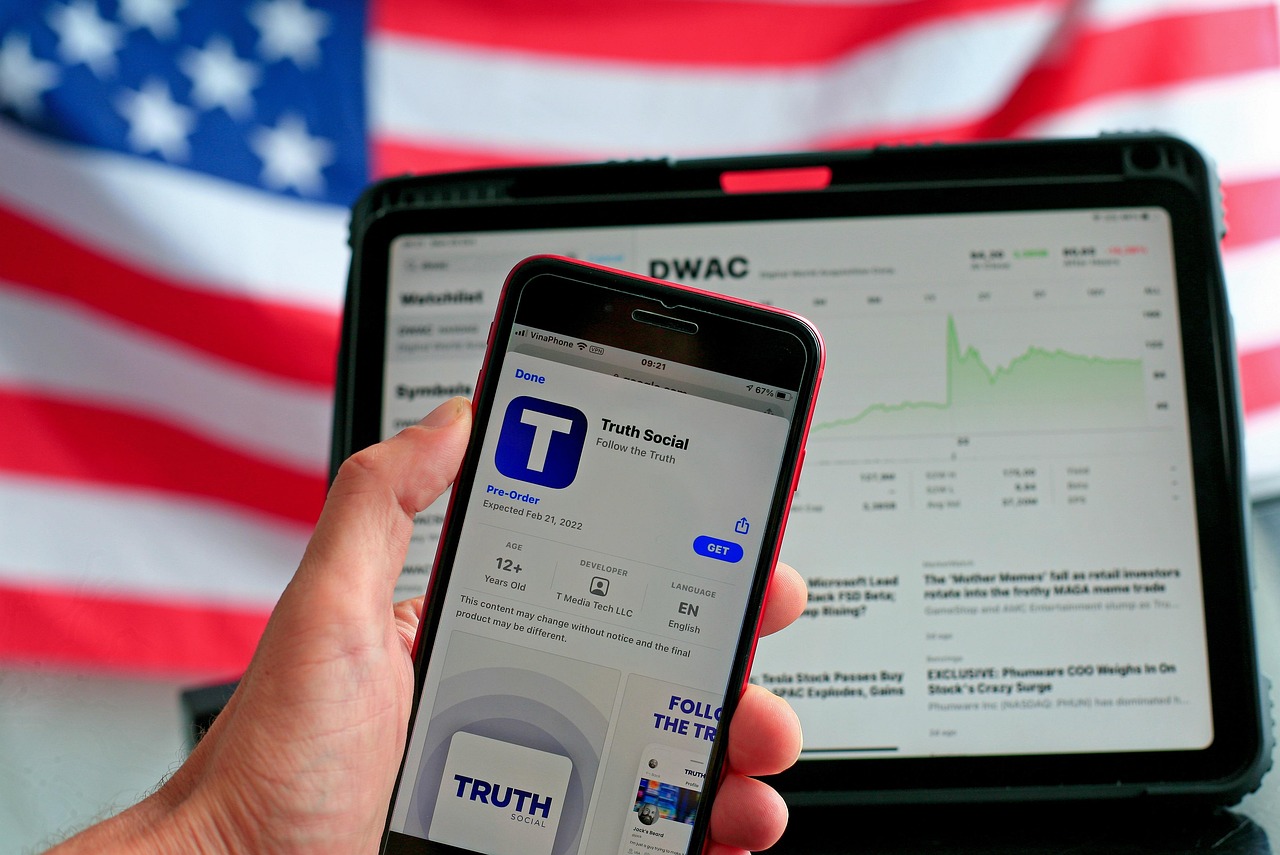
Everyone assumes that investing is a luxury reserved for the financially elite, a world where only the “savvy” or “rich” can play. This myth not only discourages potential investors but also perpetuates a dangerous narrative that wealth creation is out of reach for the average person. In reality, the barriers are far lower than most believe, and the biggest obstacle is the fear fed by outdated advice. The truth is that the market rewards disciplined beginners who apply proven tactics, not those who wait for a perfect moment that never arrives. By exposing the flaws in mainstream advice and offering a clear, evidence‑based roadmap, this article shatters the illusion and equips newcomers with the tools to start investing now.
📝 In This Post
What Does Investing Mean?
Investing is the allocation of capital to assets with the expectation of generating a return over time. Unlike saving, which merely preserves purchasing power, investing seeks to grow wealth by taking on calculated risk. In the modern economy, the spectrum spans equities, bonds, real estate, commodities, and emerging digital assets, each with distinct risk‑return profiles.
The context matters: while a savings account offers safety, its returns barely outpace inflation. Conversely, equities historically deliver higher returns but experience volatility. Understanding this trade‑off is essential for anyone stepping onto the financial stage. context matters while
| Asset Class | Typical Return | Risk Level | Liquidity |
|---|---|---|---|
| Stocks | 7‑10% annual | High | High |
| Bonds | 2‑5% annual | Medium | Medium |
| Real Estate | 4‑8% annual | Medium | Low |
| Cryptocurrency | Varies wildly | Very High | High |
Major Investing Developments
1. Robo‑Advisors Democratize Portfolio Management
Robo‑advisors claim to replace human advisors with algorithms, but the narrative that they are inferior is misleading.
These platforms use modern portfolio theory to automatically allocate assets, rebalance, and tax‑optimize with minimal fees. For beginners, the low entry threshold and transparent cost structure far outweigh the perceived lack of personalization.
- What You Gain:
- Reduced fees compared to traditional advisors, preserving more of your capital.
- Instant diversification even with modest contributions.
- Automated rebalancing that enforces discipline without effort.
2. Fractional Shares Enable True Micro‑Investing
The myth that you need thousands to buy a single stock is obsolete.
Fractional share technology lets investors purchase any dollar amount of a high‑priced equity, breaking down price barriers and allowing portfolio construction from the first dollar earned.
- What You Gain:
- Access to premium stocks like Amazon or Google without massive capital.
- Ability to diversify across sectors early, reducing concentration risk.
- Psychological boost from owning recognizable brands, encouraging continued investing.
3. Index Funds Offer Superior Long‑Term Returns
Active management is often glorified, yet data repeatedly shows that most active funds underperform their benchmarks after fees. data repeatedly shows
Broad‑based index funds capture market returns, provide instant diversification, and have historically outpaced most actively managed counterparts, especially for long‑term investors.
- What You Gain:
- Consistent performance aligned with market averages.
- Lower expense ratios that compound favorably over decades.
- Simplicity that eliminates the need for constant stock picking.
4. Dollar‑Cost Averaging Reduces Timing Risk
The popular advice to “time the market” is a fantasy; most retail investors fail at it.
Dollar‑cost averaging (DCA) spreads purchases over regular intervals, buying more shares when prices dip and fewer when they rise. This systematic approach smooths volatility and embeds a habit of regular investing.
- What You Gain:
- Mitigation of emotional decision‑making during market swings.
- Steady accumulation of assets regardless of short‑term price moves.
- Clear, measurable progress toward financial goals.
5. Tax‑Advantaged Accounts Accelerate Wealth Building
Many beginners overlook the power of tax‑efficient structures, assuming they are only for high earners.
Retirement accounts (IRAs, 401(k)s) and health‑savings accounts (HSAs) provide tax deferral or exemption, allowing contributions to compound without erosion from taxes, dramatically increasing net returns. Retirement accounts IRAs
- What You Gain:
- Tax‑free growth that amplifies long‑term wealth.
- Potential employer matching contributions that act as instant returns.
- Legal mechanisms to reduce taxable income each year.
The Impact on Consumers
✔ Lower Entry Barriers
Technology and fractional investing let anyone start with as little as $5, erasing the myth that investing requires a fortune.
✔ Increased Financial Literacy
Accessible platforms provide educational resources that empower users to make informed decisions, closing the knowledge gap.
✔ Greater Portfolio Diversification Greater Portfolio Diversification
Even modest investors can now spread risk across multiple asset classes, reducing vulnerability to single‑asset shocks.
✔ Automation of Discipline
Automatic contributions and rebalancing enforce good habits, eliminating reliance on willpower alone.
✔ Transparent Fee Structures
Low‑cost ETFs and robo‑advisors expose hidden fees, forcing the industry toward greater consumer fairness. roboadvisors expose hidden
✔ Enhanced Retirement Security
Tax‑advantaged accounts compound more efficiently, providing a stronger safety net for future needs.
How This Will Evolve
- AI‑Driven Personalization Will Replace Generic Portfolios
Advanced machine learning will tailor asset allocations to individual risk tolerances in real time, surpassing static index strategies.
- Regulatory Shifts Will Expand Tax‑Advantaged Options
Governments will introduce new savings vehicles aimed at younger demographics, further incentivizing early investment.
- Decentralized Finance (DeFi) Will Integrate With Traditional Brokerage
Hybrid platforms will allow seamless movement between conventional assets and blockchain‑based instruments, broadening access. Hybrid platforms will
- Micro‑Savers Will Embed Directly Into Payroll Systems
Employers will offer instant, paycheck‑linked investing, turning every salary cycle into a growth opportunity.
- Education‑First Platforms Will Become Industry Standard
Providers will bundle interactive curricula with account creation, ensuring every new investor starts with a solid foundation.
| Feature | Traditional Brokerage | Robo‑Advisor | DeFi Platform |
|---|---|---|---|
| Minimum Deposit | $1,000 | $5 | $0 |
| Management Fee | 0.5‑1.5% | 0.25‑0.5% | Variable |
| Rebalancing | Manual | Automatic | Smart‑contract based |
| Tax Optimization | Limited | Integrated | Emerging |
Key Takeaways
Investing is no longer a privileged club; technology and low‑cost vehicles have opened the door to anyone willing to start. By discarding myths, embracing automation, and leveraging tax‑advantaged accounts, beginners can build wealth methodically and confidently.
Success hinges on disciplined contributions, diversified exposure, and a willingness to adopt emerging tools that enhance efficiency and returns.
The future will reward those who act now, integrating AI, DeFi, and education to accelerate wealth creation for the masses.